
Many patients who have undergone chemo, radiation, or other cancer therapies experience lingering nerve symptoms long after their treatment ends. Others develop neuropathy while they are still actively receiving care.
Dr. Brian Anderson works with patients in Summit, New Jersey, who are dealing with cancer-related neuropathy and want more than symptom management. His approach focuses on understanding how the nervous system has been affected and creating a plan that supports nerve repair, circulation, and overall neurological function.
You deserve thoughtful care that addresses the root causes of nerve damage. Contact Dr. Brian today.

Dr. Anderson takes a functional medicine approach when working with neuropathy patients in Summit, NJ. Rather than focusing solely on symptom suppression, he looks at how multiple systems in the body interact to support nerve repair.
This approach recognizes that nerves do not function in isolation. They rely on proper circulation, nutrient availability, metabolic health, and nervous system regulation.
Treatment plans are designed to strengthen these systems so the body can repair and stabilize nerve function.
Every patient begins with a thorough evaluation of their medical history, cancer treatment history, and current symptoms.
Dr. Anderson looks at factors such as:
This broader perspective helps identify obstacles that may be preventing nerve recovery.
Nerve cells depend on specific nutrients for proper function and regeneration. Dr. Anderson evaluates dietary patterns and may recommend targeted nutritional support to strengthen nerve health.
Supporting mitochondrial function and reducing inflammation are often key components of this strategy.
Healthy blood flow delivers oxygen and nutrients to nerve tissue. Improving circulation can help create a more favorable environment for nerve repair.
Dr. Anderson’s care plans often include strategies that enhance microcirculation and tissue oxygenation.
Chronic inflammation interferes with nerve signaling and recovery. Addressing inflammatory triggers through nutrition, lifestyle adjustments, and targeted support can help calm the nervous system and improve comfort.
Neuropathy is not only about the peripheral nerves. The central nervous system also plays a role in pain perception and signal regulation.
Supporting nervous system balance can improve how the body processes sensory input and manages discomfort.
Neuropathy can affect different nerves and different areas of the body. While symptoms vary from person to person, many patients report similar patterns of discomfort.
Dr. Anderson helps Summit patients address a wide range of neuropathy symptoms, including:
Nerve damage often produces burning, stabbing, or electric-like pain. This discomfort may occur in the feet, legs, hands, or arms and can become especially noticeable at night.
Addressing inflammation, circulation, and nerve signaling can help reduce this type of pain.
Many neuropathy patients describe a constant tingling sensation, similar to that of a limb falling asleep. This occurs when nerve signals become irregular or partially blocked.
Improving nerve communication can help reduce these sensations over time.
Loss of sensation is another common symptom of neuropathy. Patients may struggle to feel temperature changes or pressure in the hands and feet.
Numbness can increase the risk of injury because the brain receives less feedback from the affected area.
Peripheral nerves play a critical role in balance. When nerve signals are disrupted, the brain may receive incomplete information about body position.
This can lead to unsteadiness, falls, or difficulty walking confidently.
Improving nerve signaling and musculoskeletal function can help restore stability.
When nerves fail to communicate properly with muscles, strength may decline. Patients sometimes notice difficulty gripping objects, climbing stairs, or maintaining posture.
Restoring proper neurological communication can help muscles regain their functional support.
Neuropathy symptoms often become worse at night. Burning pain, tingling, and restlessness can make it difficult to fall asleep or stay asleep.
Improving nerve comfort and reducing inflammation can help restore restful sleep.
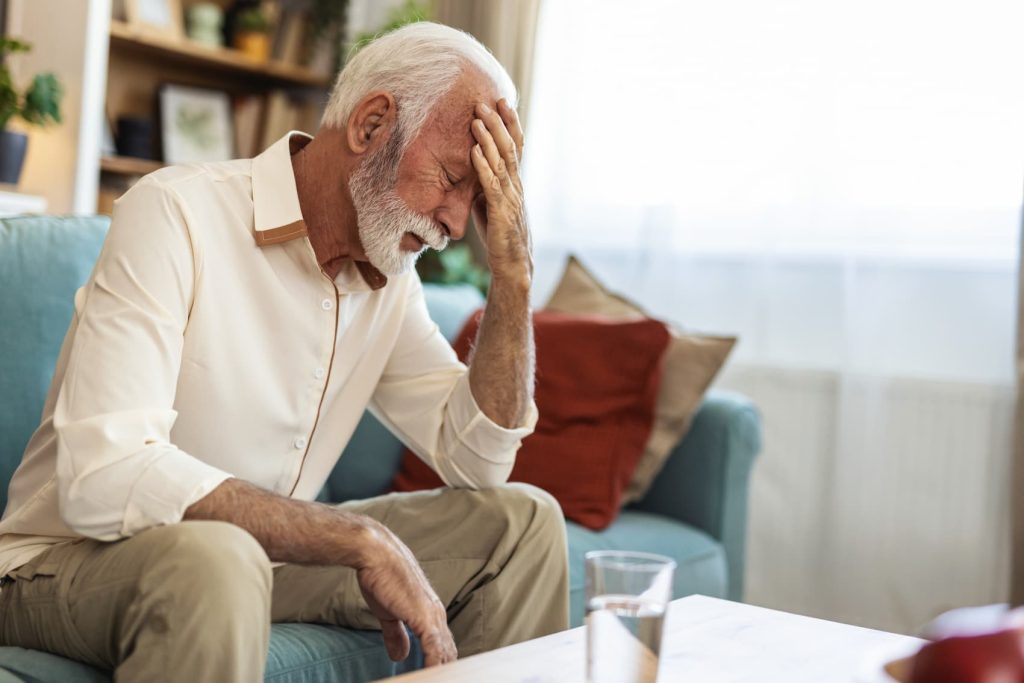
Cancer therapies are powerful because they target rapidly dividing cells. Unfortunately, some of those treatments can also affect healthy tissues, including nerves.
Several mechanisms may contribute to neuropathy during or after cancer treatment.
Certain chemotherapy medications can damage the protective structures surrounding nerve fibers. These medications may interfere with the transport of nutrients and signals along the nerve pathway.
Over time, this disruption can lead to inflammation and degeneration of the nerve endings, particularly in the hands and feet.
Cancer therapies can create increased oxidative stress inside cells. Nerve tissue is particularly sensitive to oxidative damage because it relies heavily on mitochondrial function and energy production.
When oxidative stress rises, nerve cells may struggle to repair themselves effectively.
Many cancer treatments create inflammatory responses throughout the body. Chronic inflammation can interfere with nerve signaling and slow the repair process.
Peripheral nerves depend on strong blood flow to receive oxygen and nutrients. Some treatments can affect microcirculation, which limits the resources nerves need to heal.
Certain therapies may alter nutrient levels that are critical for nerve health, including B vitamins, magnesium, and antioxidants. Without adequate nutritional support, nerve repair can become more difficult.
Dr. Anderson evaluates these factors carefully so that treatment can focus on restoring the environment nerves need to recover.
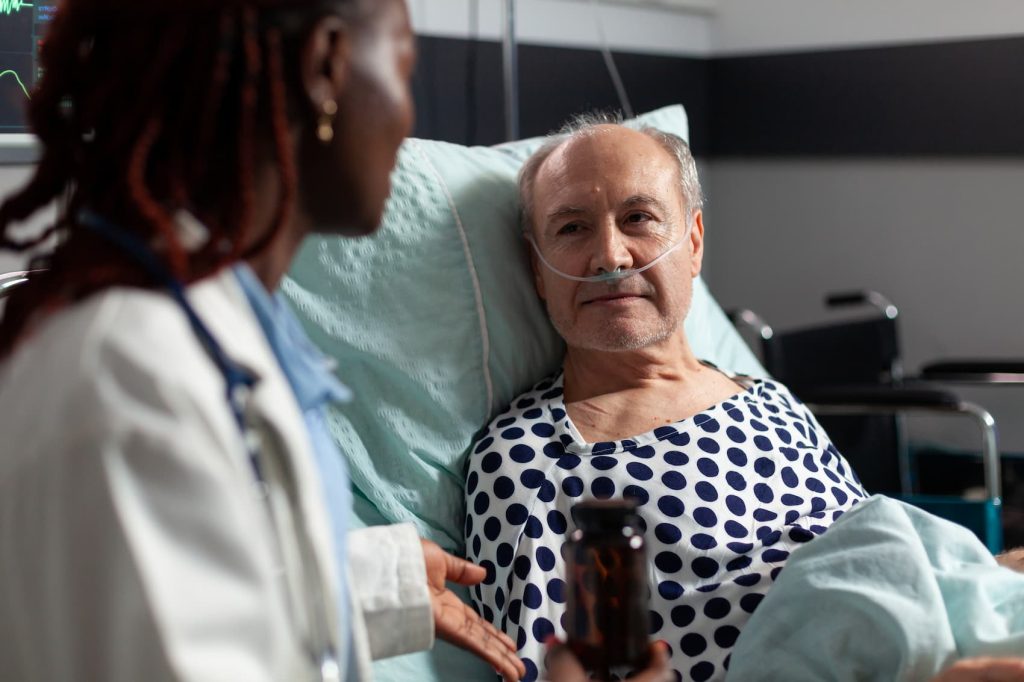
Many neuropathy patients are offered medications designed to reduce pain signals. While these drugs may temporarily reduce discomfort, they typically do not address the underlying causes of nerve damage.
Pain medications do not repair nerve fibers. They do not restore circulation. And they do not correct nutrient deficiencies or reduce oxidative stress.
For many patients, this means symptoms continue to persist despite medication use. Dr. Anderson believes neuropathy care should focus on supporting the body’s ability to heal and regenerate. This requires a deeper evaluation of the biological systems involved in nerve health.
One of the most important aspects of Dr. Anderson’s care philosophy is listening.
Cancer treatment is a deeply personal experience. Every patient has a different medical history, symptom pattern, and recovery journey.
Dr. Anderson takes time to understand:
This conversation helps shape a care plan that reflects your needs rather than applying a generic protocol.
While two patients may have similar diagnoses, their treatment plans may differ based on their physiology, lifestyle, and recovery goals.
This is what personalized medicine looks like in practice.

Neuropathy care is valuable both during cancer therapy and after treatment has ended. For patients currently undergoing chemotherapy, supportive care can help reduce the severity of nerve symptoms and protect nerve function.
For cancer survivors, treatment may focus on restoring nerve signaling, improving balance and mobility, and helping the body repair long-standing nerve damage.
Dr. Anderson collaborates with your oncology team as needed to keep your care coordinated and supportive of your overall treatment plan.

If you are dealing with nerve pain, tingling, numbness, or balance issues after cancer treatment, you do not have to face it alone.
Dr. Brian Anderson provides compassionate, personalized neuropathy care for patients in Summit, New Jersey, who want a deeper approach to healing.
By addressing the root causes of nerve dysfunction and supporting the body’s natural repair processes, his goal is to help you move forward with greater comfort, stability, and confidence. Schedule a consultation with Dr. Brian Anderson today and take the first step toward restoring nerve health and improving your quality of life.